
Mastering Welding Techniques for Every Project
- Thomas Precision Welding
- Nov 30, 2025
- 4 min read
When it comes to custom metalwork and fabrication, mastering the right techniques can make all the difference. Whether you're working on railing systems, sanitary process piping, or any other structural elements, precision and skill are key. We understand the importance of delivering strong, reliable joints that stand the test of time. In this post, we’ll explore essential welding services for projects, sharing practical tips and insights to help you achieve professional results every time.
Understanding Welding Services for Projects: What You Need to Know
Before diving into specific techniques, it’s crucial to grasp the scope of welding services for projects. These services cover a wide range of applications, from industrial structural welding to custom aluminum fabrication. Each project demands a tailored approach based on the materials, environment, and end-use requirements.
Here are some key points to consider:
Material Type: Steel, aluminum, stainless steel, and other metals each require different welding methods.
Project Scale: Small repairs versus large structural assemblies call for different equipment and expertise.
Environmental Conditions: Indoor versus outdoor work affects the choice of welding process and safety measures.
Code Compliance: Many projects must meet industry standards and local regulations to ensure safety and durability.
By understanding these factors, we can select the best welding techniques and equipment to match the project’s needs.
Essential Welding Techniques for Every Project
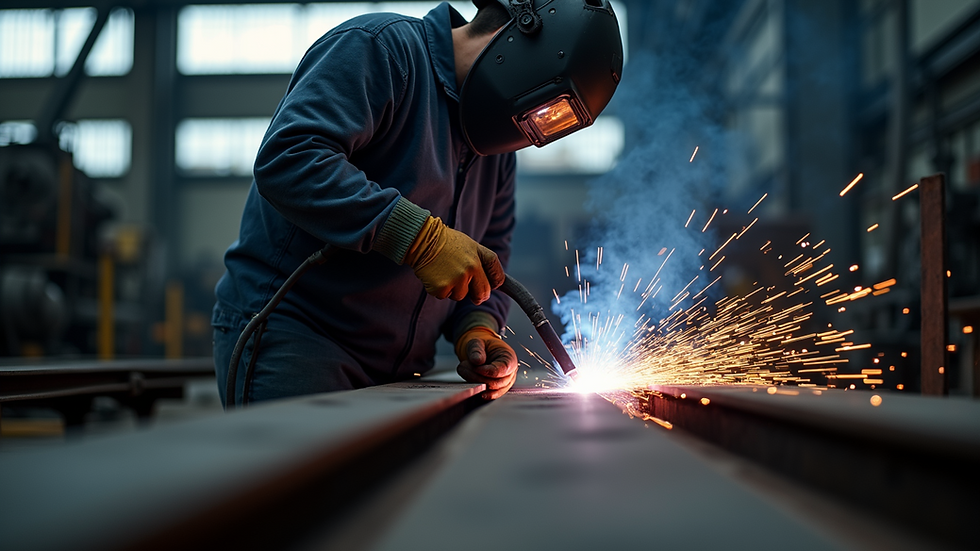
Mastering welding techniques means knowing when and how to apply each method effectively. Here are some of the most common and reliable techniques used in custom metal fabrication:
1. Shielded Metal Arc Welding (SMAW)
Also known as stick welding, SMAW is versatile and widely used for structural steel projects. It’s ideal for outdoor work due to its portability and ability to handle dirty or rusty metals.
Pros: Simple equipment, cost-effective, good penetration.
Cons: Slower process, requires skill to avoid slag inclusion.
2. Gas Metal Arc Welding (GMAW or MIG)
MIG welding is popular for its speed and ease of use. It works well with thin to medium thickness metals and produces clean welds with minimal spatter.
Pros: Fast, clean welds, easy to learn.
Cons: Less effective outdoors without shielding gas protection.
3. Gas Tungsten Arc Welding (GTAW or TIG)
TIG welding offers precision and control, making it perfect for thin materials and critical joints. It’s commonly used for stainless steel and aluminum.
Pros: High-quality welds, excellent control.
Cons: Slower, requires more skill and equipment.
4. Flux-Cored Arc Welding (FCAW)
This method combines the benefits of stick and MIG welding. It’s suitable for thicker materials and outdoor conditions.
Pros: High deposition rate, good for heavy-duty work.
Cons: Produces more smoke and slag.
By selecting the right technique, we ensure strong, durable welds that meet project specifications.
Choosing the Right Equipment and Safety Measures
The success of any welding project depends heavily on the equipment and safety protocols in place. Here’s what we recommend:
Welding Machines: Choose machines compatible with your selected welding technique. For example, a MIG welder for GMAW or a TIG welder for GTAW.
Protective Gear: Always wear a welding helmet with the correct shade, flame-resistant clothing, gloves, and safety boots.
Ventilation: Ensure proper airflow to avoid inhaling harmful fumes.
Work Surface: Use clean, stable surfaces to maintain control and precision.
Inspection Tools: Utilize gauges and measuring devices to verify weld quality.
Investing in quality equipment and adhering to safety standards not only protects workers but also enhances the final product’s integrity.

Tips for Achieving Professional Results Every Time
Consistency is key in welding. Here are actionable recommendations to help you master your craft:
Prepare the Metal Properly
Clean the surfaces to remove rust, paint, and oil. Proper fit-up and alignment prevent weak joints.
Control Heat Input
Avoid overheating, which can cause warping or burn-through. Use the correct amperage and travel speed.
Maintain a Steady Hand
Keep a consistent angle and speed to produce uniform weld beads.
Practice Good Technique
Use stringer beads for thin materials and weave beads for thicker joints.
Inspect Welds Thoroughly
Look for cracks, porosity, or undercutting. Use non-destructive testing if necessary.
Keep Learning
Welding technology evolves. Stay updated with new methods and certifications.
By following these tips, we can deliver high-quality, reliable welds that meet or exceed client expectations.
Partnering with Experts for Complex Projects
Sometimes, the best way to ensure success is to collaborate with experienced professionals. For projects requiring specialized skills or large-scale fabrication, partnering with a trusted provider of welding services can save time and reduce risks.
Benefits of working with experts include:
Access to advanced equipment and technology.
Skilled welders with industry certifications.
Compliance with safety and quality standards.
Efficient project management and timely delivery.
This approach allows businesses and contractors to focus on their core operations while ensuring their metalwork is handled by capable hands.
Elevate Your Projects with Precision and Confidence
Mastering welding services for projects is a journey that combines knowledge, skill, and the right tools. By understanding the various techniques, selecting appropriate equipment, and following best practices, we can achieve outstanding results that stand up to the demands of any application.
Whether fabricating custom railing systems or sanitary process piping, precision welding is the foundation of quality and durability. Let’s continue honing our craft, embracing innovation, and delivering excellence in every weld.
Together, we can build stronger, safer, and more reliable structures that meet the highest standards.


Comments